




Reverse swing feels like magic when you first see it. A fast bowler runs in, the ball looks old and lifeless, and then suddenly it curves late in the opposite direction. Batters misjudge it. Stumps are rattled. Commentators pause.
For years, fans have asked the same question: who invented reverse swing in cricket?
The short answer is not as simple as naming one superstar. The longer answer is far more interesting.
What is reverse swing, in simple terms?
Reverse swing happens when an old cricket ball moves in the opposite direction to conventional swing. Unlike new-ball swing, where the shiny side pulls the ball toward itself, reverse swing occurs when both sides are worn differently and the airflow behaves unexpectedly.
In simple terms:
- Conventional swing usually appears with a new or semi-new ball
- Reverse swing appears with an older, rougher ball
- The ball swings late, often at high speed
This late movement is what makes reverse swing so hard to play.
Also read: How to Bowl Reverse Swing in Cricket
The earliest belief: Mudassar Nazar in the 1940s
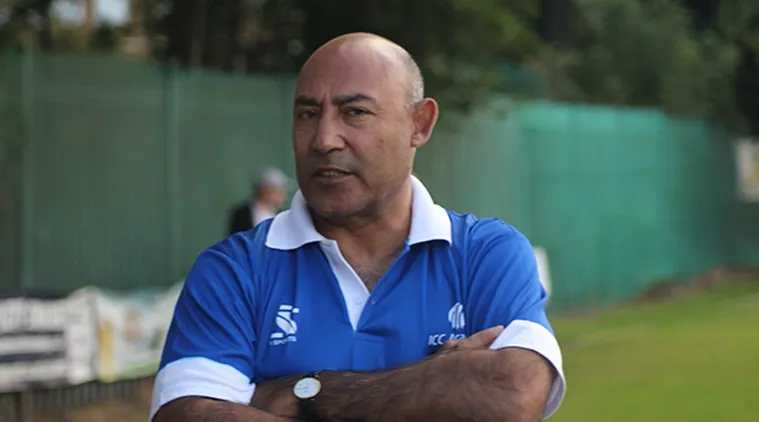
It is widely believed that Mudassar Nazar, a cricketer from the Indian subcontinent, was one of the earliest players to intentionally produce reverse swing.
According to cricket folklore, Nazar bowled an unplayable delivery that swung the “wrong way” during a club cricket match in Lahore in the 1940s. At the time, there was no scientific explanation. Players noticed the movement but did not fully understand why it happened.
This moment is often cited as the first known instance of reverse swing being observed and discussed.
Why reverse swing was ignored for decades
Even if reverse swing was seen early, it did not spread quickly. There were several reasons.
Reverse swing stayed in the shadows because:
- Cricket balls then were different in build and durability
- Speeds were generally lower
- Match footage and analysis were limited
- Players focused more on seam and conventional swing
Without fast bowlers consistently crossing high speeds, reverse swing remained rare and poorly understood.
Pakistan’s role in bringing reverse swing to the world
Reverse swing became a weapon only when Pakistan fast bowlers began mastering it in international cricket during the 1970s and 1980s.
This is where history changes.
Pakistan bowlers learned how to:
- Keep one side of the ball rough
- Protect the other side naturally
- Bowl at high pace consistently
This combination made reverse swing repeatable, not accidental.
Sarfraz Nawaz: the man who mastered it first
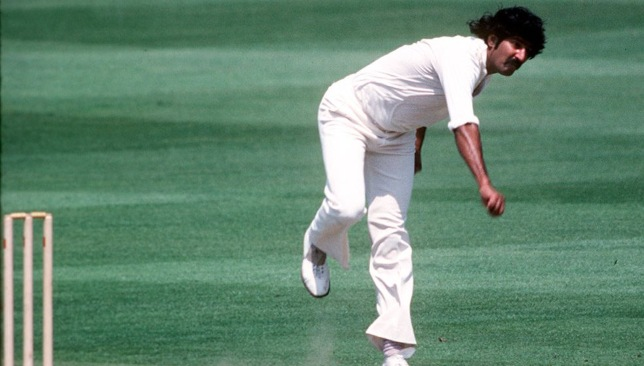
Sarfraz Nawaz While Mudassar Nazar is linked with the earliest sighting, Sarfraz Nawaz is widely credited with bringing reverse swing into international cricket.
During the 1970s, Sarfraz Nawaz began producing late movement with old balls, especially in Test matches. Batters struggled, and teams outside Pakistan were confused by what they were seeing.
Sarfraz:
- Used reverse swing intentionally
- Demonstrated it in international matches
- Taught the skill to younger bowlers
He turned an odd occurrence into a repeatable bowling method.
Imran Khan and the rise of reverse swing science
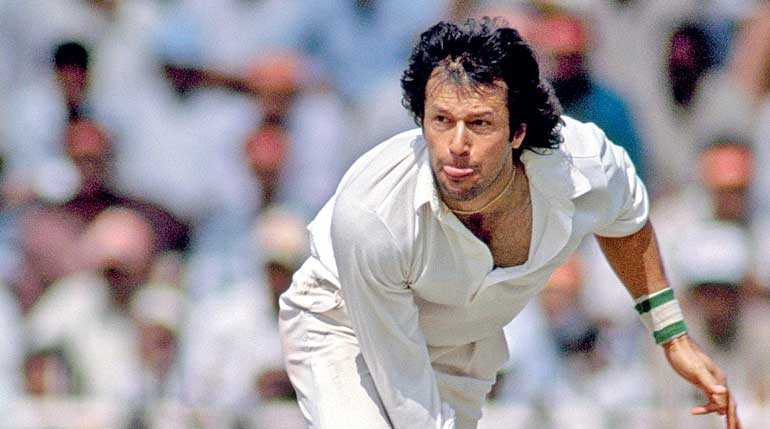
The real breakthrough came under Imran Khan. He did not just use reverse swing. He studied it.
Imran:
- Understood the physics behind ball wear
- Focused on pace, wrist position, and release
- Passed knowledge within the team
Under his leadership, reverse swing became a core strength of Pakistan’s fast bowling culture.
Wasim Akram and Waqar Younis made it lethal
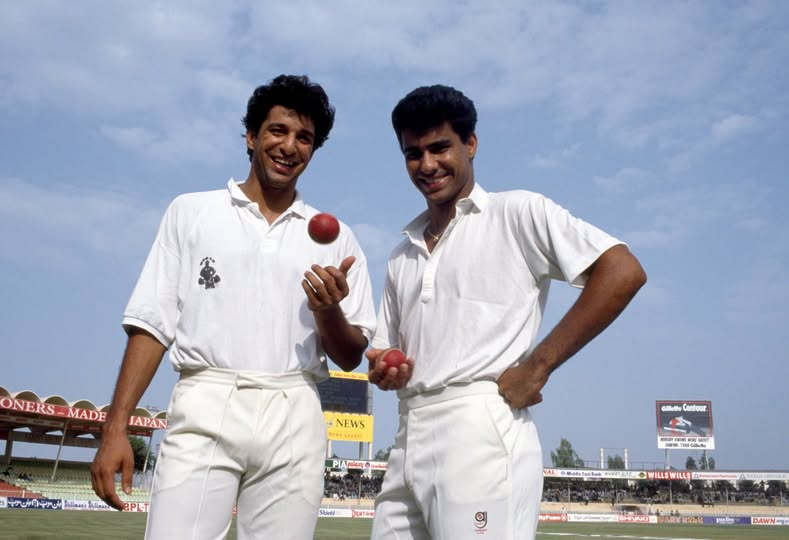
If Sarfraz introduced reverse swing and Imran refined it, Wasim Akram and Waqar Younis turned it into a nightmare for batters.
Their impact was massive because:
- They bowled at extreme pace
- Reverse swing came very late
- Yorkers dipped and curved suddenly
During the 1990s, reverse swing was no longer a mystery. It was a match-winning skill.
So who really invented reverse swing?
The most accurate answer is layered.
- Mudassar Nazar is believed to have produced one of the earliest reverse-swing deliveries in the 1940s
- Sarfraz Nawaz brought reverse swing into international cricket
- Imran Khan explained and systemized it
- Wasim Akram and Waqar Younis perfected and popularized it
Reverse swing was not invented in one moment. It evolved through observation, skill, and experience.
Why reverse swing matters in cricket history
Reverse swing changed how cricket is played, especially in subcontinent conditions.
It:
- Gave fast bowlers a weapon with old balls
- Reduced over-reliance on spin
- Changed death-overs bowling forever
Modern fast bowling strategies still rely on principles developed during the rise of reverse swing.
Reverse swing today
Today, reverse swing is understood globally. Bowlers from all countries train for it. Ball manufacturers have adjusted designs. Umpiring and ball-management rules have become stricter.
Yet, the art remains difficult.
Not every fast bowler can reverse swing the ball. Those who can are still considered special.
Final takeaway
Reverse swing was not invented overnight. It emerged quietly, was ignored, then reshaped by a generation of fast bowlers who understood its power.
From a club match in Lahore to packed international stadiums, reverse swing’s journey reflects how cricket evolves. Sometimes, the game’s biggest changes begin with a single unexpected delivery.

I am Manan Joshi , SEO All-Rounder at CricHeroes.
CricHeroes is the ultimate Cricket Scoring App and the world’s only true Cricket Network. With more than 4 crore+ registered cricketers using CricHeroes to Live Cricket Scores for their local cricket matches and tournaments, CricHeroes is already the #1 Cricket Scoring App Globally!
We also proudly present “CricHeroes Store” by CricHeroes, a dedicated shop for cricket apparel and accessories, helping players gear up for their game.